
Back from Egypt
At PassionLife, we have always believed it is best to share openly. We tell you when things go well, and we tell you when we meet challenges and pushback. Our recent training trip to Egypt brought plenty of both.
Mark Nicholson, our executive director, has just returned from Egypt and Azerbaijan. During the trip we sent text updates, with pictures and notes, so our partners could pray in real time. These updates have become one of the most popular things we have done in recent years.
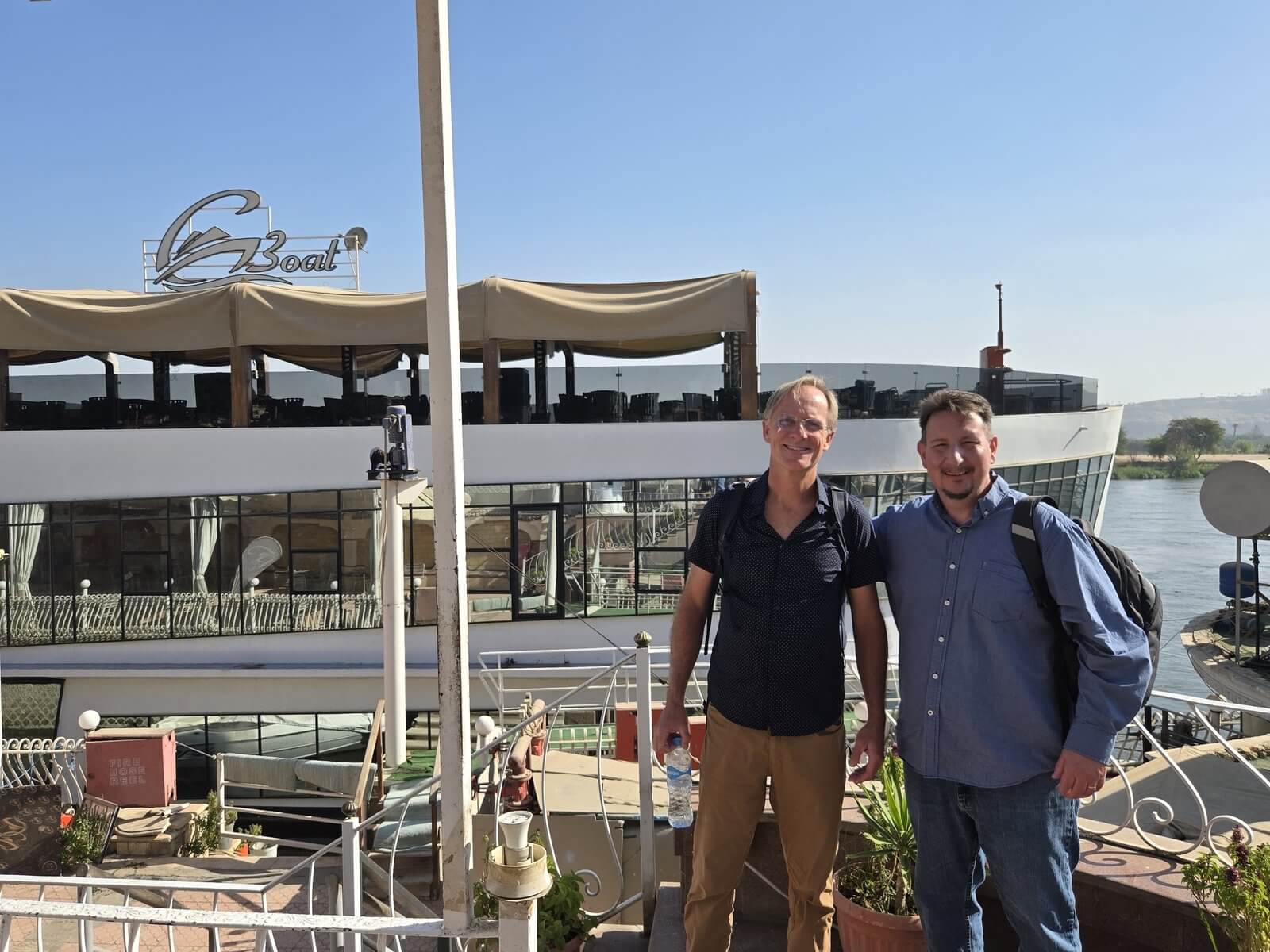
The first update from Egypt drew the most responses of the trip. It was honest about the resistance we met at the start. Many of you told us it moved you to pray all the more.
A church that never converted
Egypt is a land of great history and mystery. Yet many Western Christians know very little about the church there. One Egyptian believer told Mark that Americans often ask him when his family converted.
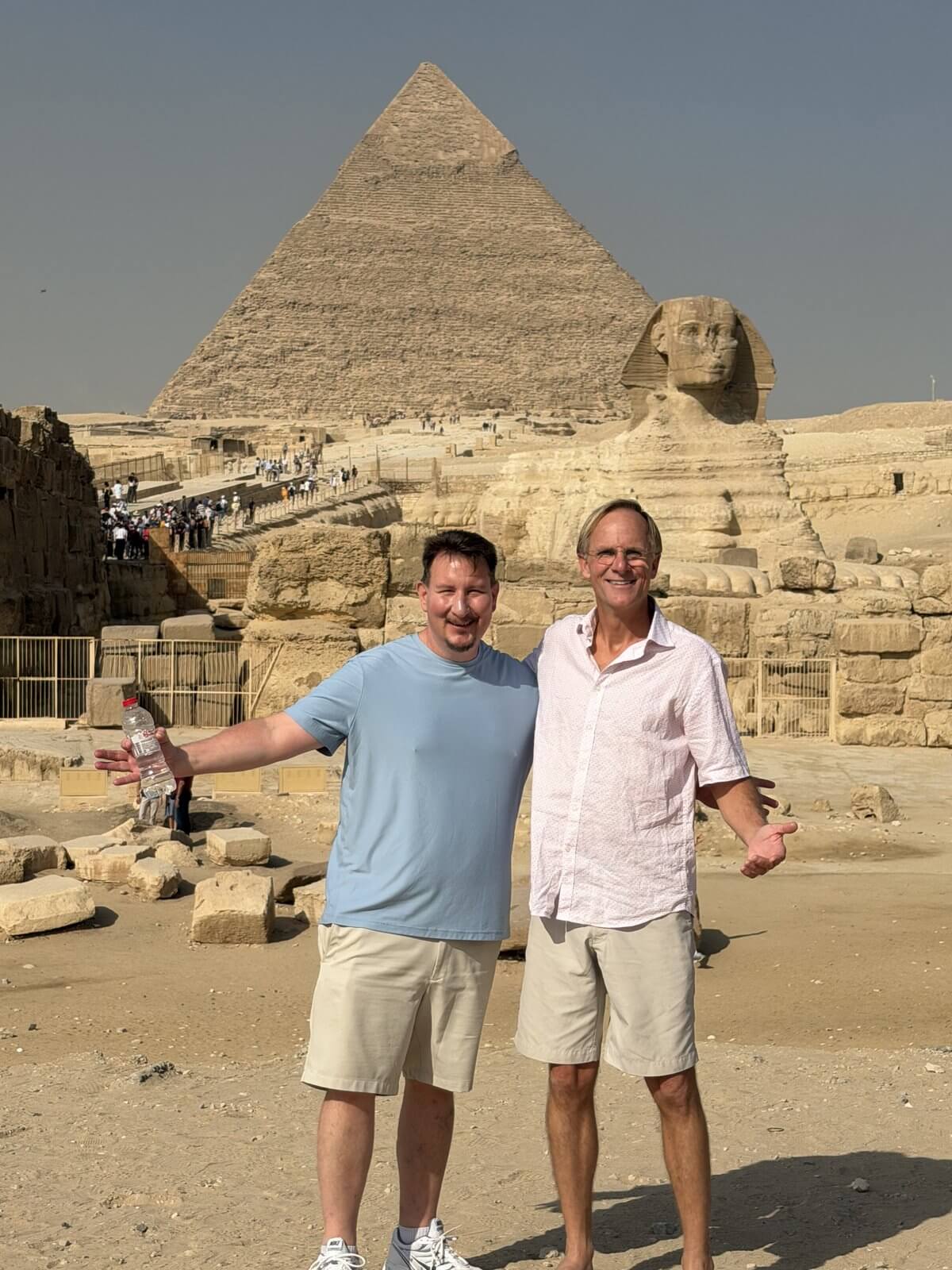

“We never converted,” he answers. His family has been Christian since the first century. Many of the early church fathers and desert fathers came from Egypt.
Still, belonging to an ancient, confessional church is not the same as having vibrant, regenerate life in Christ. That challenge is not unique to Egypt. It is present in our own churches too.
Seeing the world through a different lens
Egypt is unlike the other countries where we serve. Its culture is saturated by a Muslim majority, and even Christians tend to see life through a Muslim lens. That is not good or bad in itself. It is simply different, and it shapes how biblical truth must be presented.

Until you leave your own culture, you rarely notice how much it shapes you. A fish in an aquarium does not know it is wet. As Mark puts it, “The tricky thing about worldview is that you have no idea that you have it.”
Small beginnings
This was our second trip to Egypt. On the first, turnout was thin. We expected 14 pastors, and only seven came.
That is understandable. Imagine a stranger asking a pastor to invite his colleagues to a seminar on a controversial subject. That pastor is taking a real risk.
Leaders rightly want to vet a teacher first. Is he mature? Is he orthodox? Is his tone right? We do not despise small beginnings, because this caution is the right thing to do.
The demonstration period
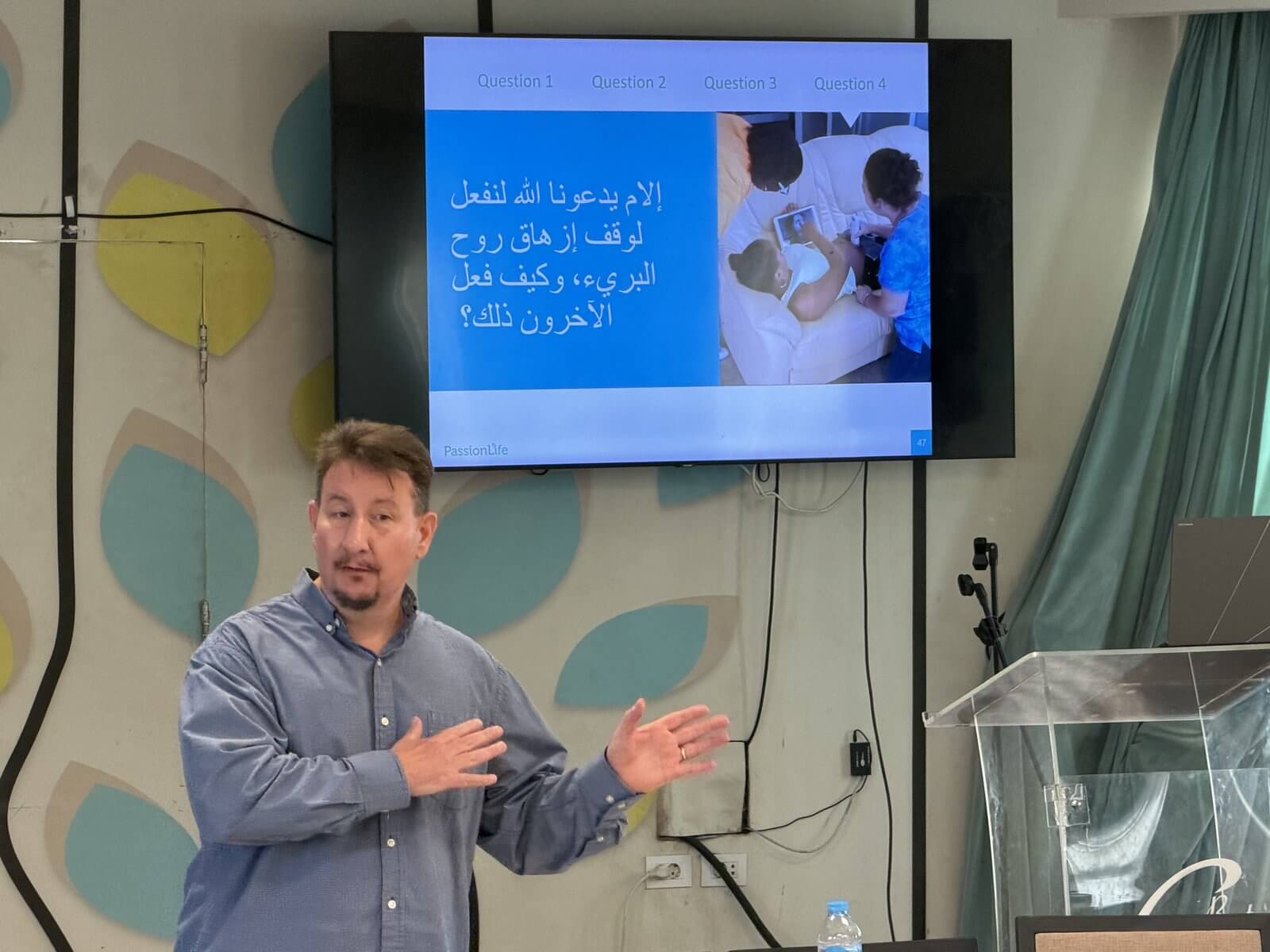
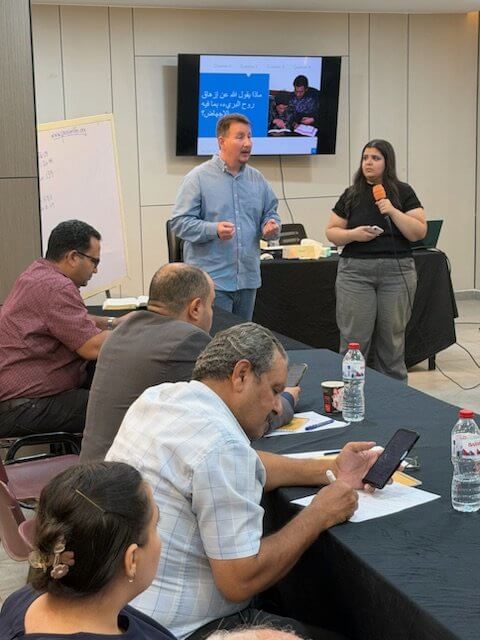
We think of the first visit as a demonstration period. We gather a few leaders and show them the teaching firsthand. If it proves biblical and helpful, they invite many more.
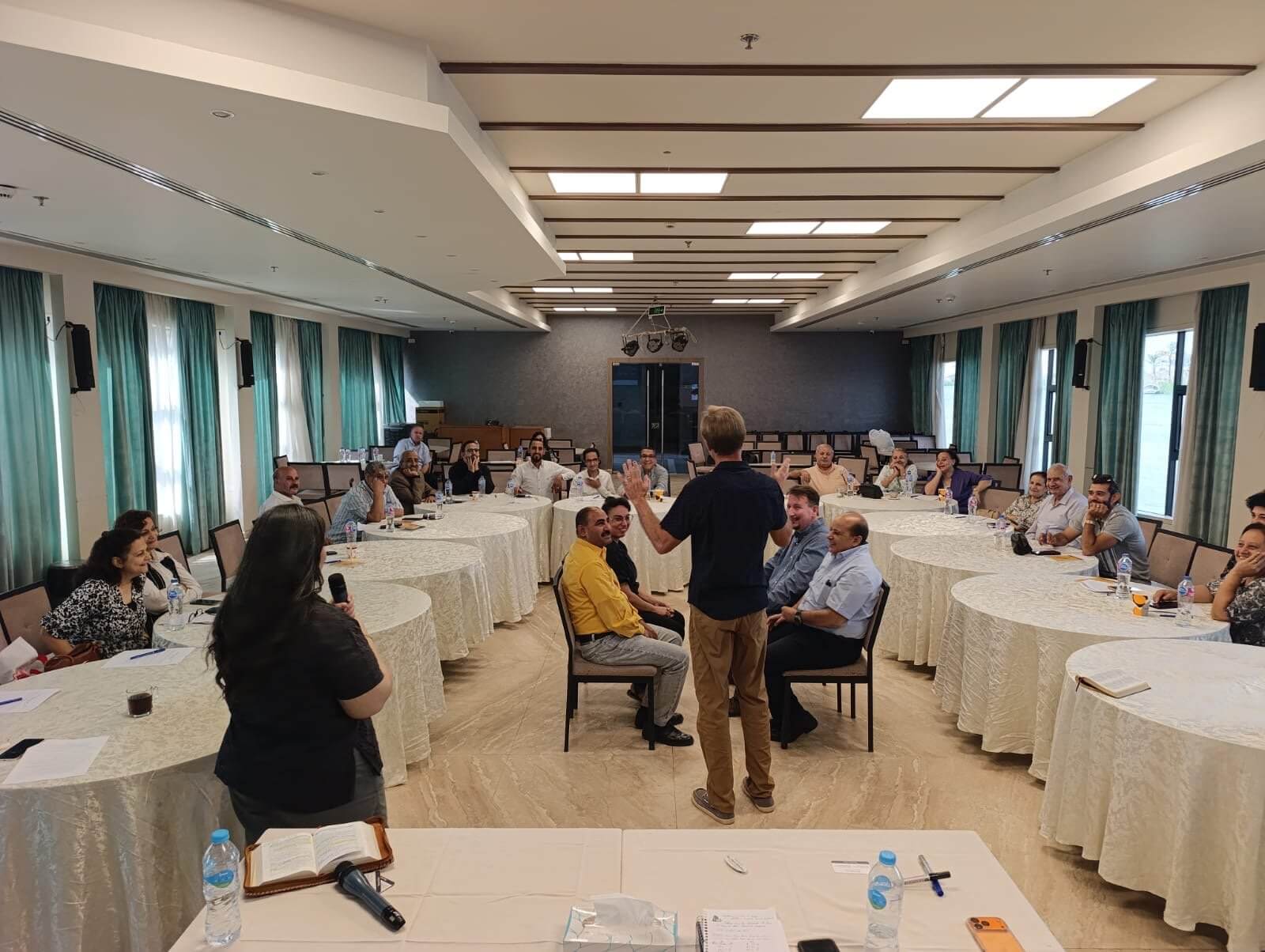
That is exactly what happened. On this second trip, the first group invited their co-leaders, and a much larger group came.
The Four Questions
PassionLife is a missions-driven pro-life agency. We look for places where abortion rates are very high, and we partner with churches there. We do not set up pro-life programs ourselves. We teach the Bible to Christian leaders so they can lead their own people into rescue.
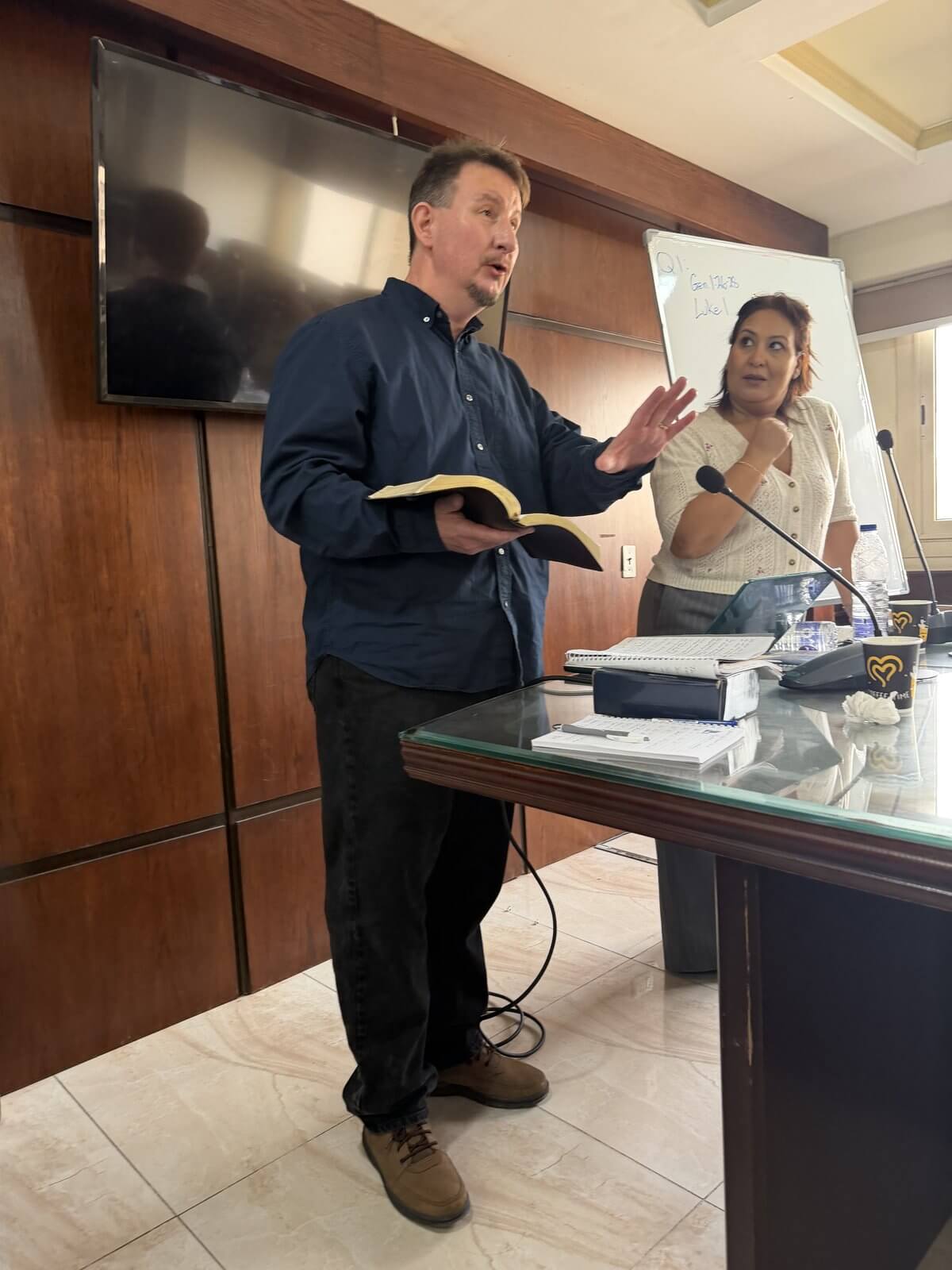
Our training is built around four questions:
- What does the Bible say about human life, including life in the womb?
- What does the Bible say about the shedding of innocent blood, including abortion?
- How do we bring the grace of the gospel to the guilt and grief of abortion? Those who have taken part, or stood by passively, can know forgiveness and serve with a clear conscience.
- How do we answer the biblical call to rescue the innocent? We look at how God’s people have done this through history, in the Bible, and around the world, in poor nations and wealthy ones, Muslim nations and Christian ones.
For many of the leaders in Egypt, this was the first time the issue had ever been addressed.
Abortion in the shadows
In Egypt, abortion is mostly illegal. Muslims generally oppose it as the killing of a human child, much as orthodox Christians do. But people in hard circumstances still seek it out.
So abortion is common, but it is driven underground into secrecy. No one talks about it. Mark called this “a feast for the evil one and the accuser,” who pricks the consciences of those involved.
Secret, unconfessed sin is ammunition for the accuser. He uses it to disable believers and make them unfruitful. That is why our teaching brings the grace of the gospel, not just conviction.
It does no good merely to confirm what the conscience already knows. Our goal is for people to come clean before God. Then, forgiven and free, they can join the battle for life.
Pushback at the first training
Our first training was in Cairo. From there we moved up the Nile, which flows from south to north. At that first stop, about 20 to 23 leaders gathered.

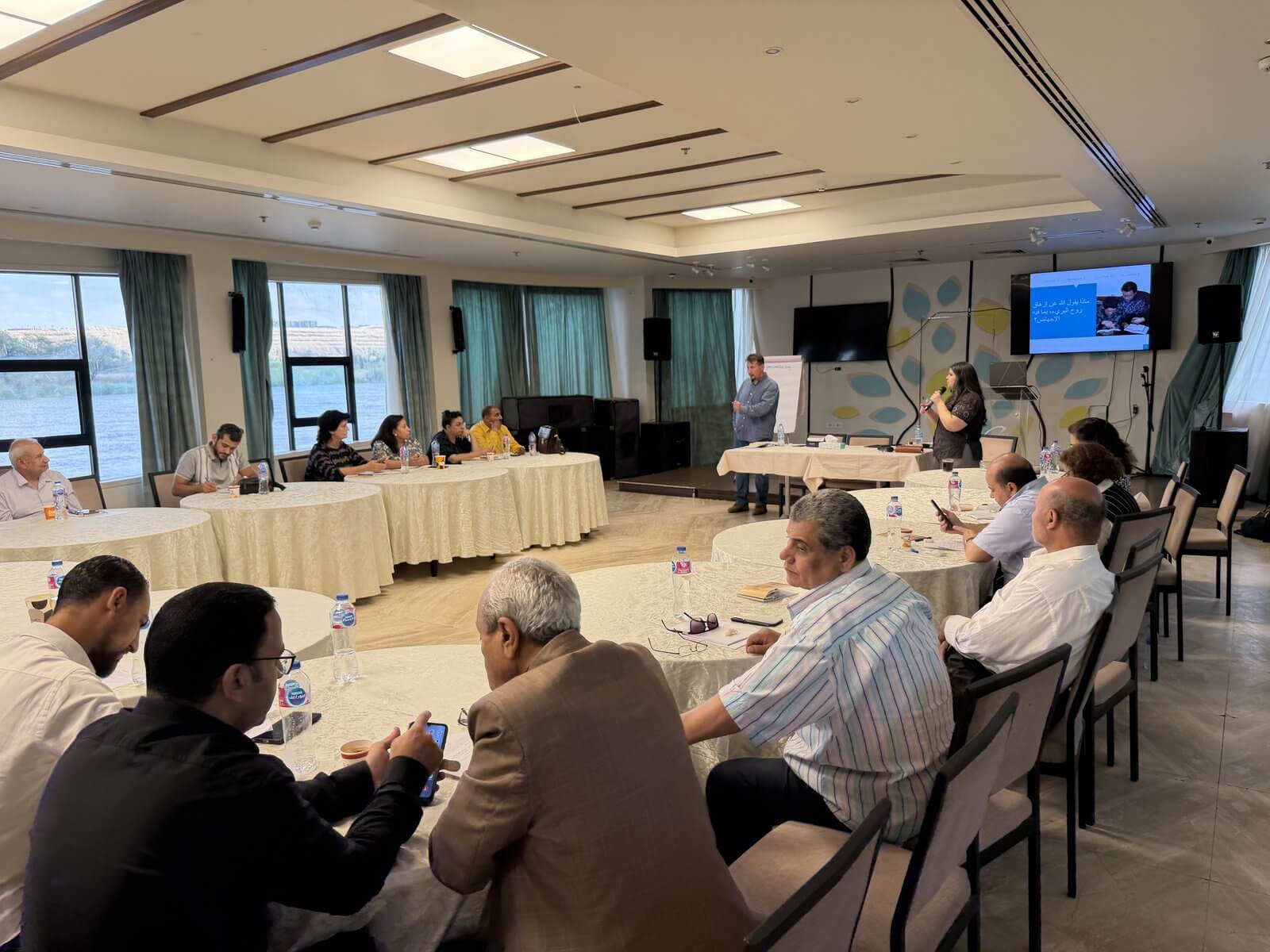
Most came with open minds. But a small group of perhaps four to six pastors seemed to have agreed beforehand to push back. Their attitude was, “This man will tell us abortion is wrong, but we know our culture better.”
These were not bad pastors. Some were defensive of counsel they had given in the past. No one wants a know-it-all from America telling them how to shepherd their people. As the teaching went on, several of them dug in their heels.
Smoke on the battlefield
Those early updates gave a sense of smoke on the battlefield. In moments like these, you need the full armor of God. The Word is your only weapon, and humility is essential.
Abortion is a hard subject to teach. People avoid it because it is uncomfortable, and no single verse says, “Do not get an abortion.” But when biblical principles are put together, it is easy to see how God feels about the taking of innocent life.
When people ask, “What about this?” it may mean the teaching was unclear. But often, as John Ensor, our president, observes, “it means they’re actually hearing what you’re saying and they’re looking for reasons to get off the hook you just put them on.” Egypt became a real lesson in apologetics.
Every human bears the image of God
We began where the Bible begins. Human beings are made in the image of God. Nothing else in creation carries that image, and every human being does.
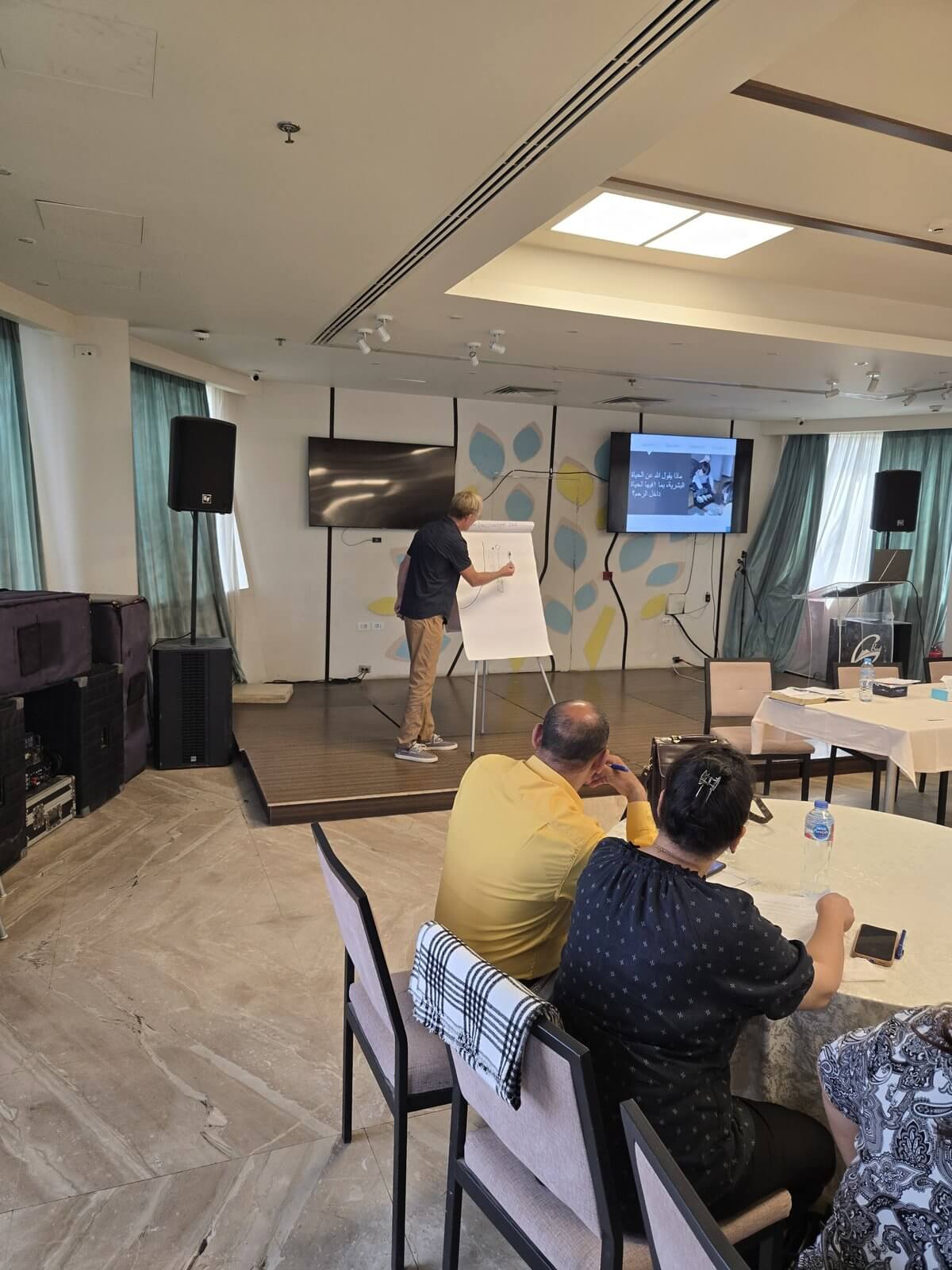
You cannot add the image of God to a person, and you cannot take it away. It belongs to babies with Down syndrome and to people with deformities. It belongs to the poor. Uncomfortably, it belongs even to rapists and murderers.
This does not mean everyone is godly. It means every person is valuable to God, inherently and intrinsically. When we asked, the pastors said they believed this. But hard scenarios soon exposed a gap between their theology and their practice.
Life from conception
The Bible also teaches that human life begins at conception. Some of the passages that show this are, in Mark’s words, “delightfully obscure.” Put together, they show that every human life is to be protected from conception onward.
Human rights begin when you become human. Every member of the human family deserves the dignity, rights, and protection that come with being human. That is why the Lord commands us to defend the rights of the weak and the poor, because they are always the first to lose them.
Scripture also shows that the shedding of innocent blood angers God. When these truths are taught, questions follow, about capital punishment and much more. Those questions can be answered.
“What if the baby will suffer?”
In almost every country where we teach, someone eventually asks the same question. What if the baby will be born into a life of suffering? Wouldn’t it be better to abort first?
When that question comes, either the teaching was not clear, or life experience has drifted from what people already agreed. Moments before, they affirmed that human life is significant from conception. Now a hard case seems to override it.
In Muslim culture, mercy killing can seem justified, and that view has influenced some church leaders. Several pastors admitted they had advised abortion when a baby would be born into poverty or with a deformity. They saw it as sparing the mother a burden.
Heads shaking, hands on the table
At the first training, this pushback was pronounced. Heads were shaking, and hands slammed on tables. We kept returning to the same point.
We were not there to teach what Americans believe or what Egyptian culture says. Everything we taught came from the Bible. We were applying biblical ethics to difficult circumstances.
Is mercy killing merciful?
The argument went like this. God is merciful and does not want people to suffer. So if we are to be merciful like Him, we should spare these babies by ending their lives before they suffer.
It is true that God does not delight in suffering for its own sake. But He allows it for His good purposes and His glory. He sent His own Son, on purpose, to suffer.
Suffering is part of the human condition, and God uses it. As Mark put it, if you are not suffering for your faith, you are probably doing it wrong. The mercy argument sounds compassionate on the surface, but it does not hold water.
When does a life become valuable?
We asked a simple question. Would you kill a three-year-old injured in a car accident, so the child would not suffer or burden the family? The pastors agreed you would not.
So the real question is when a human life becomes valuable. That question exposes what people truly believe. Some might even justify killing a newborn with an unexpected deformity as an act of mercy.
In some places, a father may even be expected to kill a daughter who becomes pregnant outside of marriage, to save the family’s honor. Once mercy and honor become reasons to kill, no one is safe.
John puts it bluntly: “You can solve a lot of social ills if you’re willing to kill enough people.” You could end poverty that way. You could close every cancer and diabetes hospital. That is what follows if killing is mercy, rather than help and aid.
No one believes that. No one thinks we should round up Ray Charles and Stevie Wonder and end their lives for their own good. The argument is inconsistent and has not been thought through.
But it is where many people start. So we respond with maturity and patience. We let people push back “until the knife of the Scripture itself starts to do the cutting.”
Changed minds
And the Scripture did its work. Leaders who began with that mindset found their questions answered. One response captured it well: “I wondered if the Bible made a case for that, but now I see it clearly, and I’m going to obey it.”
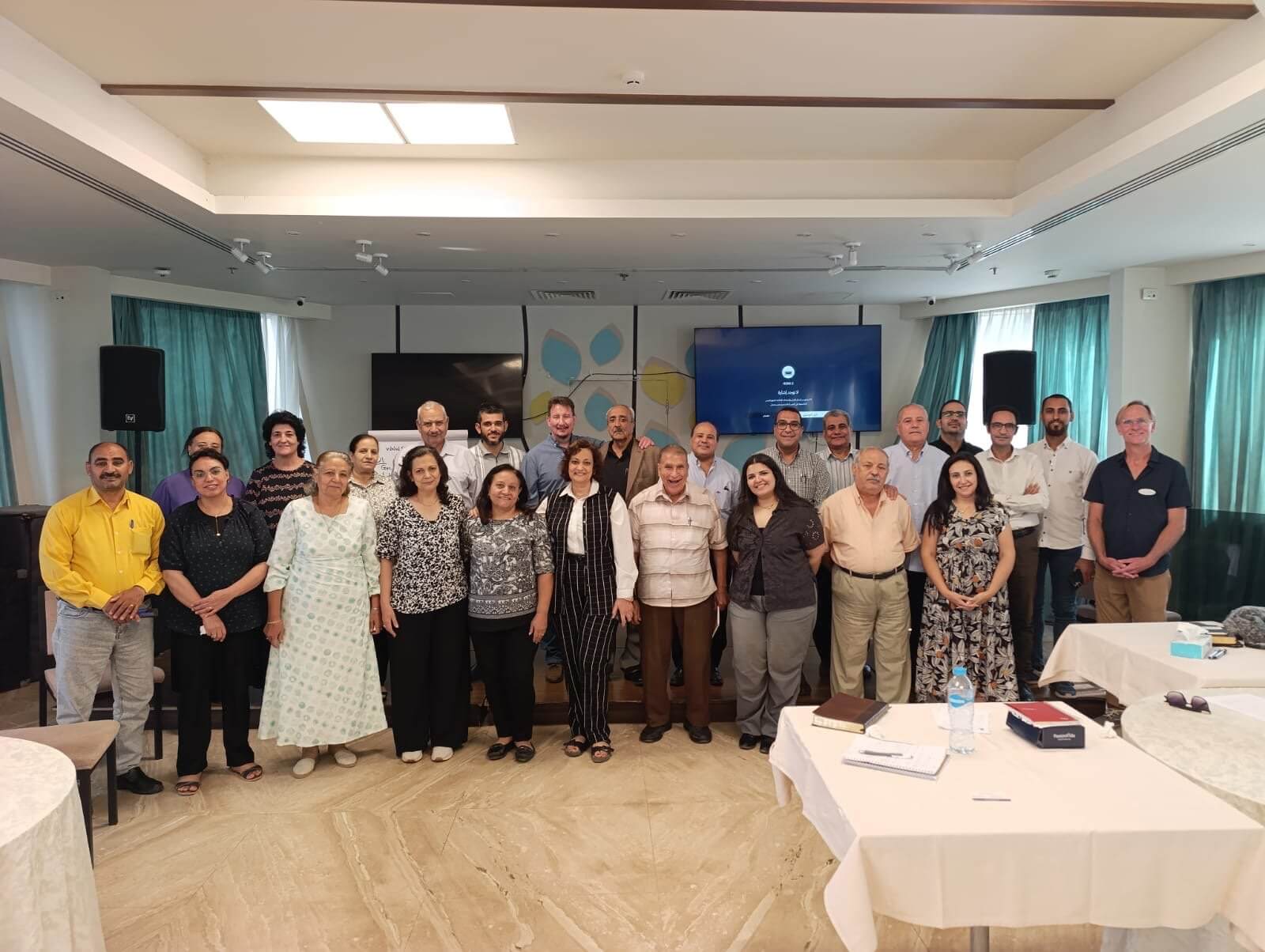
These pastors are not bad or poorly trained. A worldview is simply persistent. All of us come to Christ carrying worldly baggage.
That is why Romans 12 calls us not to be conformed to this world. As we are transformed by God’s Word, we become contrarians to our culture. It was a privilege to watch that happen in Egypt.
Pray with us
It was a pleasure and an honor to teach these leaders. Please pray that the truth they received takes root and spreads to their churches.
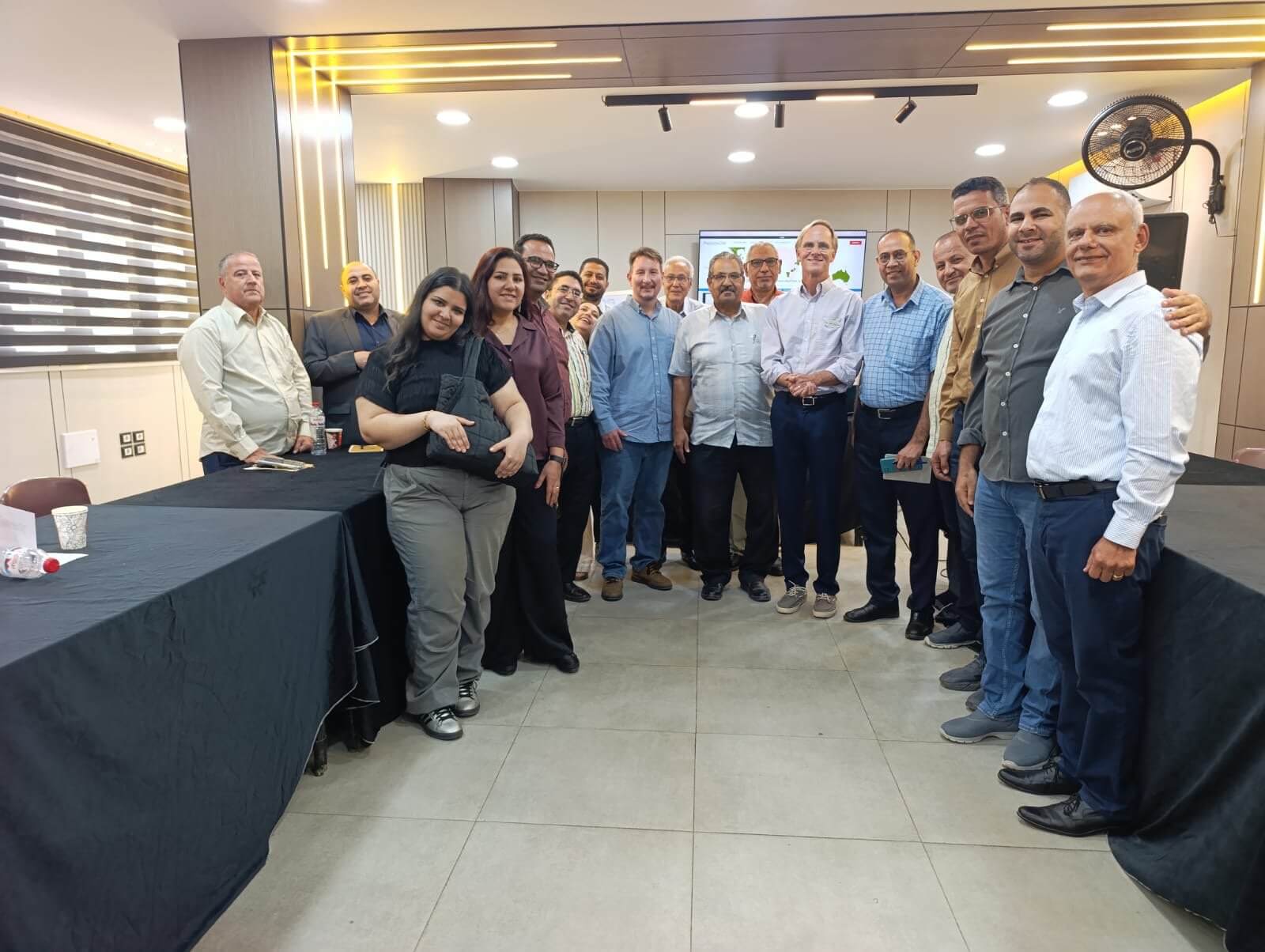
You can pray with us in real time on future trips. Sign up for our text updates at passionlife.org/trip-updates.
You can also download the Four Questions at passionlife.org/resources. See whether you agree with each premise for yourself, based on the Word of God.
This article is adapted from the episode transcript.